Purpose
Liquid hydrogen (LH2) is increasingly seen as a viable alternative fuel to meet our global sustainability goals in aviation and shipping. Furthermore, it would be a promising energy store for excess wind energy and solar energy. Currently, tanks are not able to sustain 100+ cycles and often made from metals – which is less weight efficient. Therefore, the development of weight efficient and long-life storage solutions able to maintain liquid hydrogen safely and efficiently at -253 °C, is crucial. The goal of this project is to present an advanced design and manufacturing concept, including a ‘proof a principle’ for future long-life, lightweight LH2 composite tanks.
Design and manufacturing processes
This challenging project consists of several tasks:
- Researching and developing the composite materials suitable for the very low temperature of LH2 (-253 °C), and developing new concepts for tank construction, thermal insulation and auxiliary systems.
- Developing new digital design strategies and tools, production technologies and their automation, and new testing and qualification technologies.
- Defining safety and qualification requirements, in consultation with future customers and certification organisations, and drawing up a proposal for the safe and reliable use of LH2 as an aviation fuel.
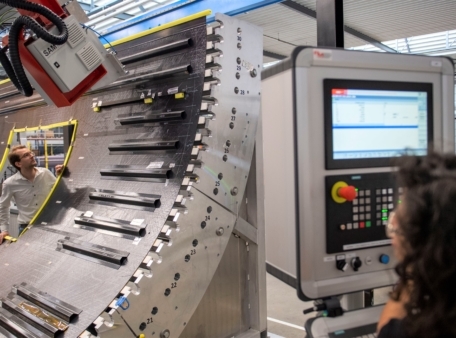
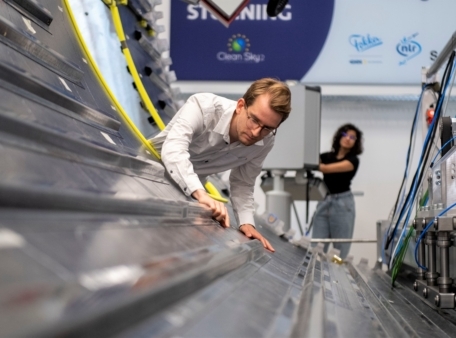
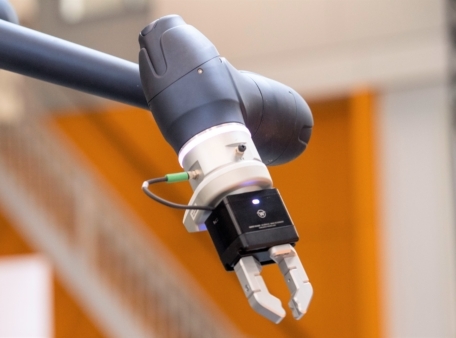
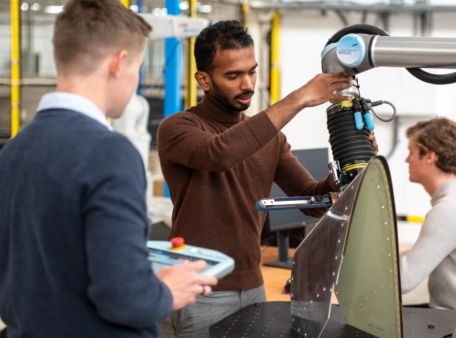
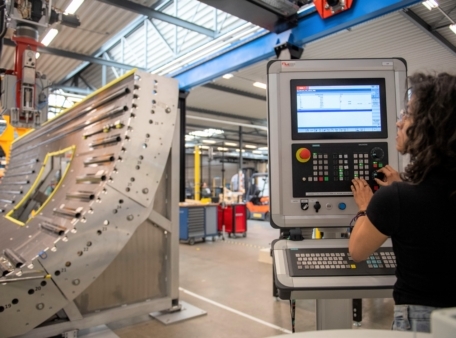
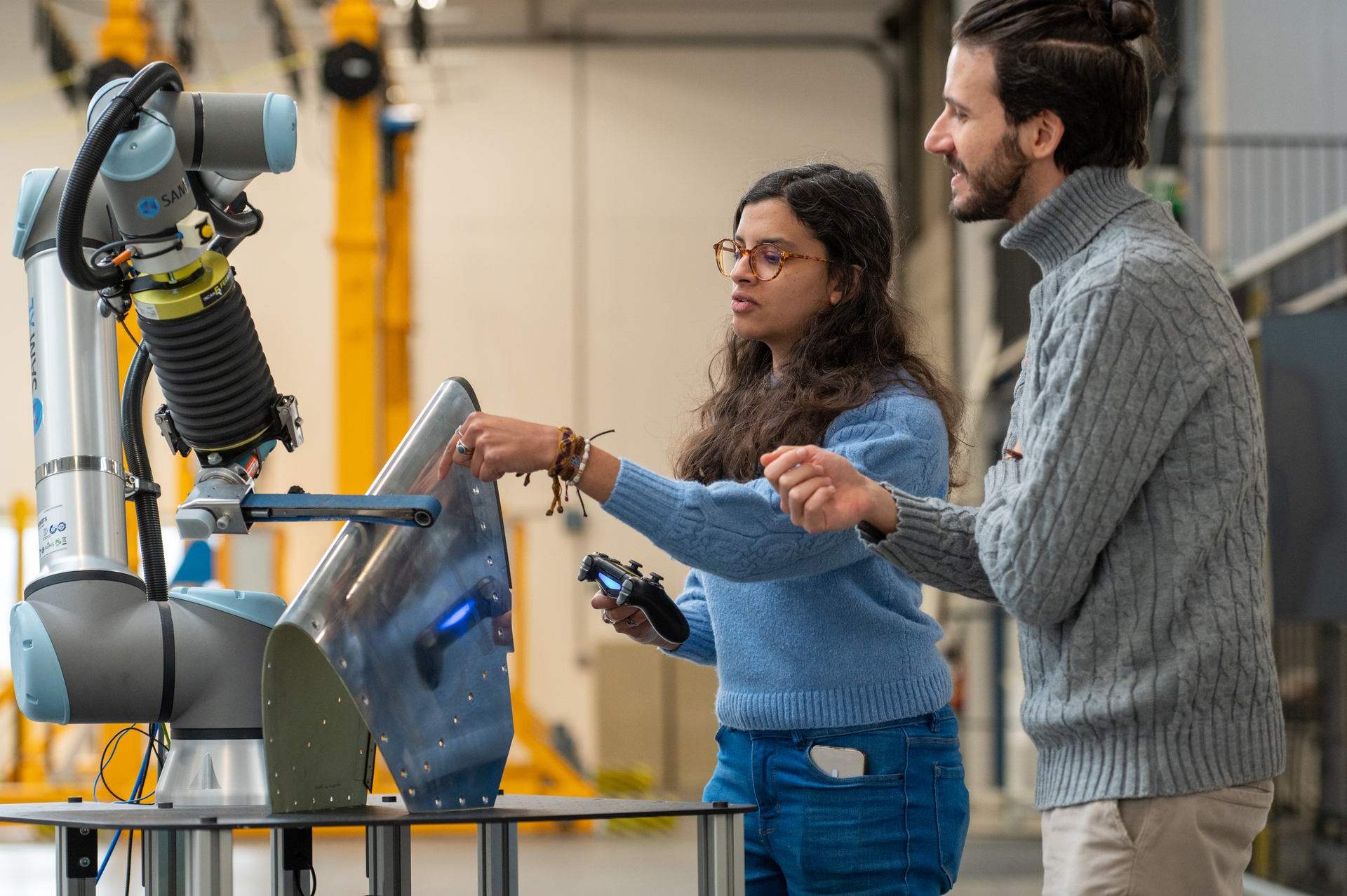
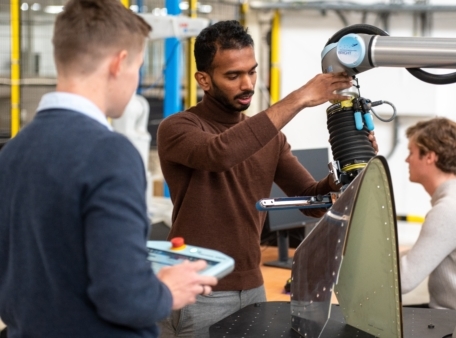
Our SAM XL team will be focussing – within the consortium – on automation techniques, welding techniques and assembly of a LH2 tank demonstrator segment.
Funding
This project has received funding from the “Subsidieregeling R&D Mobiliteitssectoren (RDM)” by the Rijksdienst voor Ondernemend Nederland.